The most common mistake with marine spare parts
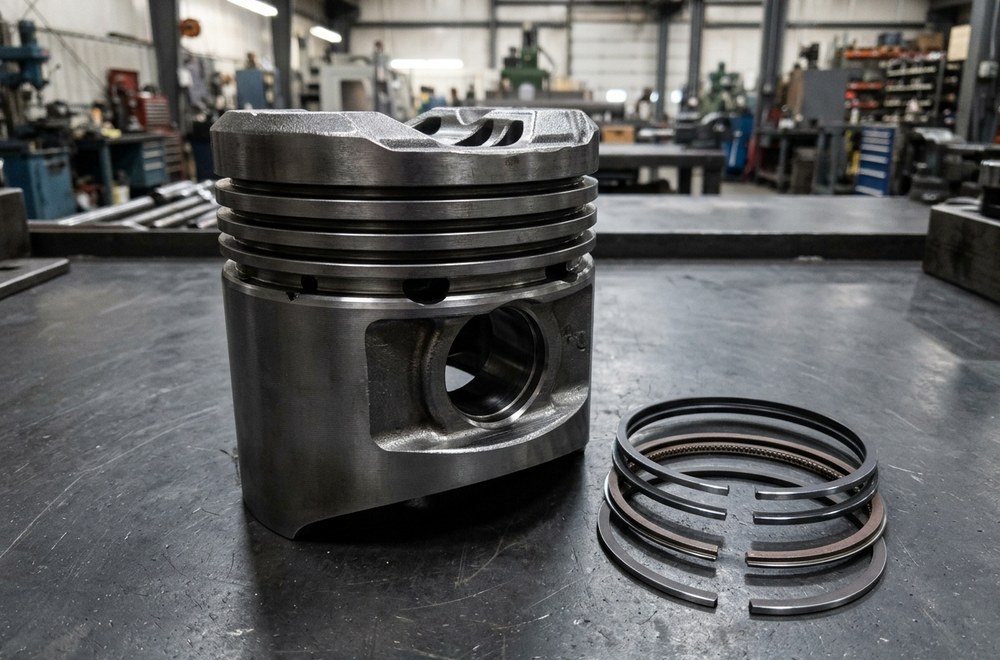
Most delays in marine spare parts requests come not from the part itself but from how it is described. Versions of the same engine model built in different years can use different part numbers. A request that just says "main engine piston" means several rounds of emails before the part can be confirmed.
So sourcing always starts with the equipment's identity: make, model, serial number and, where possible, the part number. When these arrive correct, confirming the fit and quoting is much faster.
Identifying the part
These sources identify a marine spare part, in order of importance:
- The equipment name plate: make, model and serial number
- The part and position numbers in the maker's parts catalogue
- Earlier supply records on board or markings on the old part
- If no part number can be found, photos and the critical dimensions of the part
Original, equivalent or reconditioned
Every part has three routes. An original (OEM) part comes through the engine maker's own supply chain. An equivalent part is made by another manufacturer to the same dimensions and material specification. Reconditioning means measuring and repairing the existing part so it can be reused.
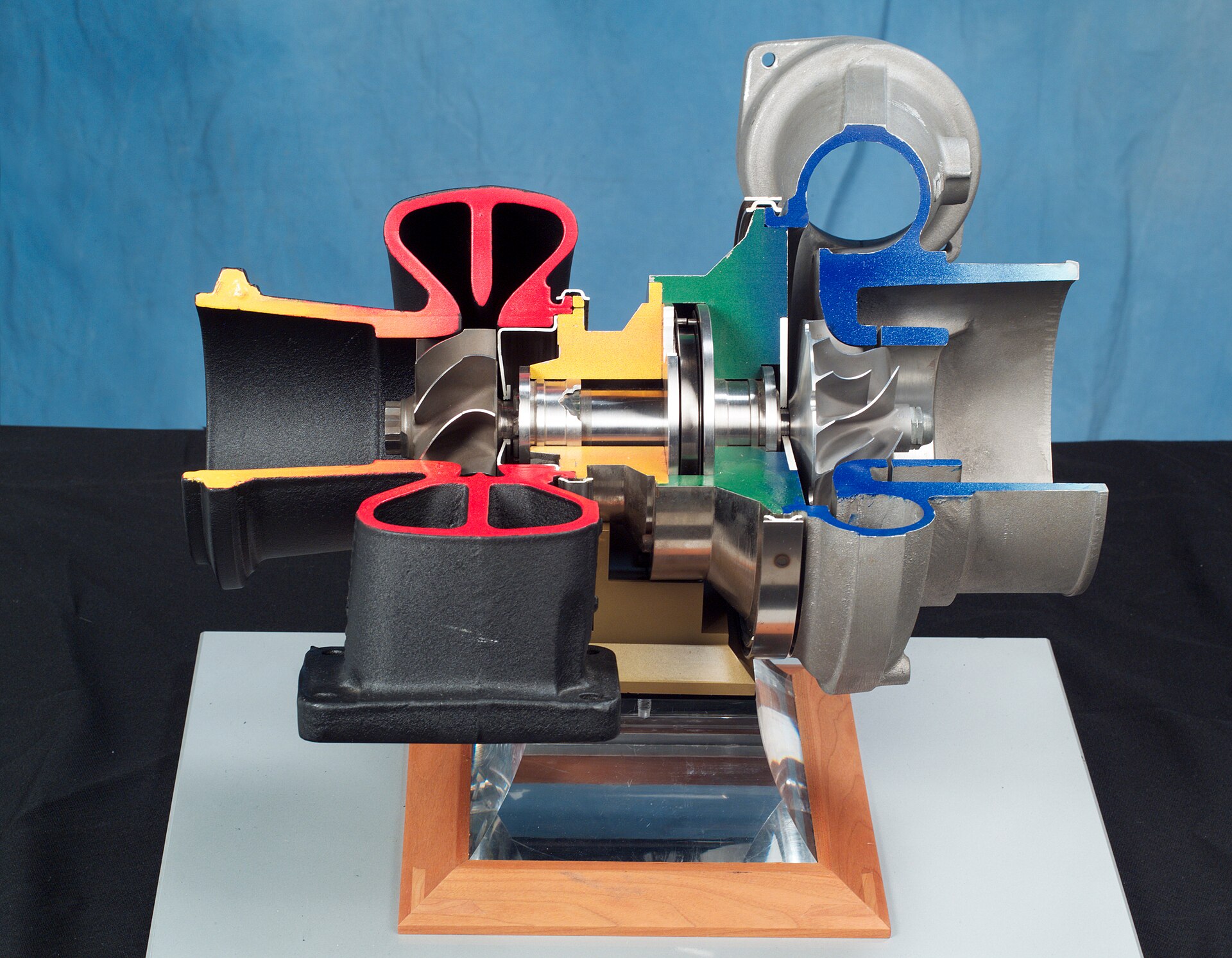
Which suits depends on how critical the part is, class and owner requirements, time and budget. For parts that run at high speed, such as a turbocharger rotor, balancing and measurement records after reconditioning are essential. The choice should be made together with the measurement results and the owner's preferences.
Timing and delivery to the vessel
A spare part is only worth something if it is on board when it is needed. For planned maintenance, order parts before the vessel reaches port or the yard. Stating which port the vessel will be in, and when, makes delivery easier to plan.
In an emergency, planning the removal and fitting together with the part keeps the departure on schedule. Coordination is simpler when parts and service come from the same team.
Request checklist
When sending a marine spare parts request, include:
- Vessel name, the port it is in or heading to, and the date
- A photo of the equipment name plate
- Part number and quantity; otherwise photos and measurements of the part
- Whether you prefer original, equivalent or reconditioned
- Whether fitting or service is needed along with the part
Frequently asked questions
Can a marine spare part be ordered without a part number?
Yes. Photos of the name plate and the part, plus its critical dimensions, are enough to confirm the fit; it just takes a little longer.
Is it safe to use equivalent parts?
Equivalent parts with verified dimensions and materials are widely used. For critical parts, check class and owner requirements.