When is an overhaul planned?
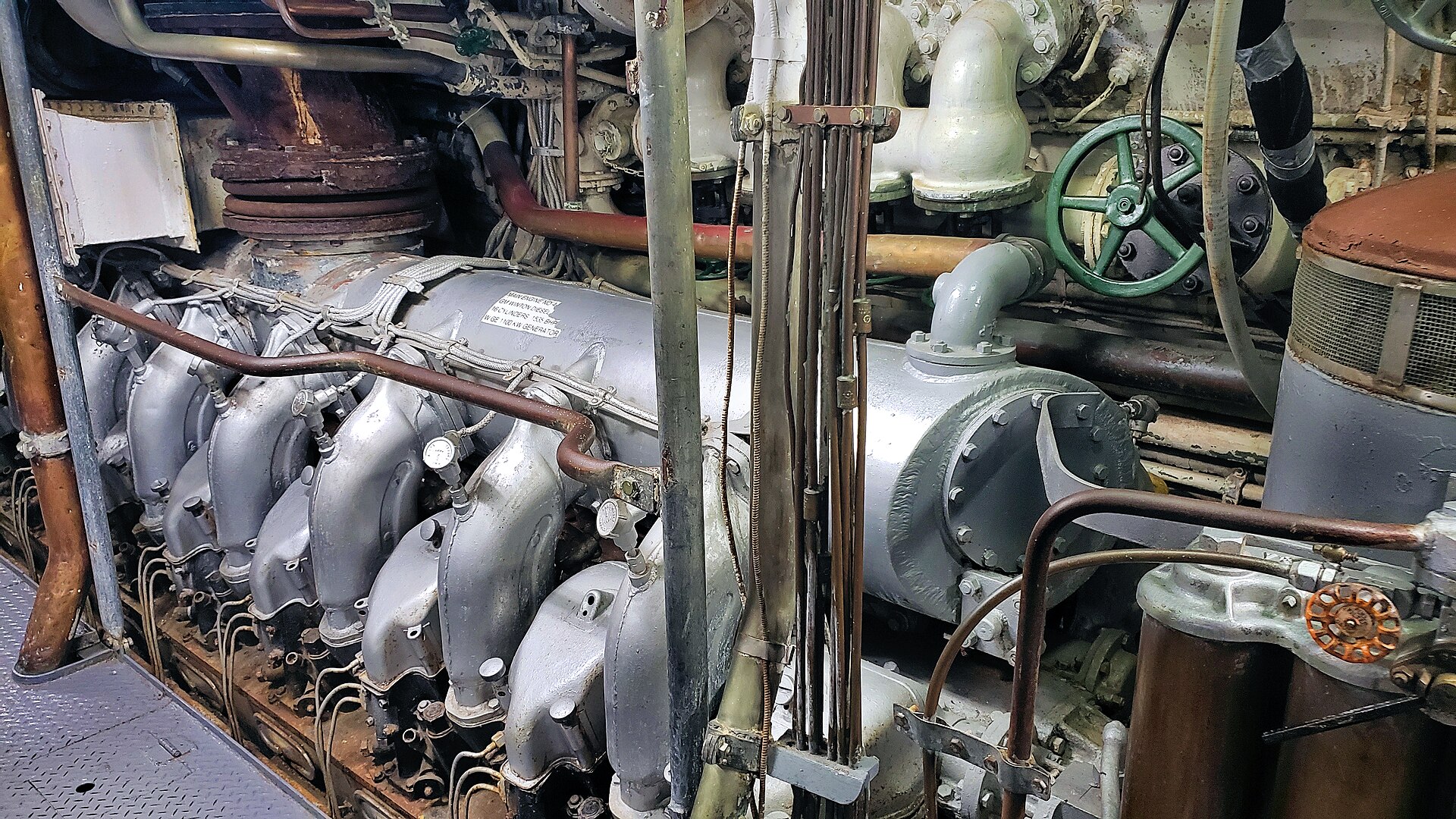
Overhaul intervals for main engine cylinder units are set against running hours in the maker's maintenance programme. Yard or dry-dock periods are the best time to open several units at once. Pressures, temperatures and oil consumption monitored in service also show whether the overhaul should be brought forward.
Piston and ring checks
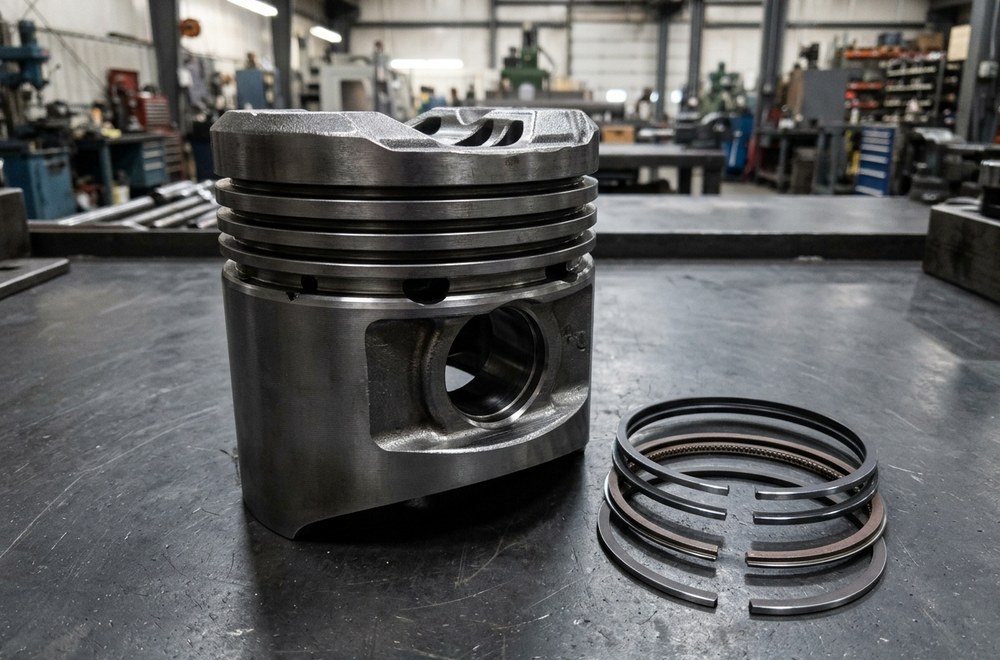
When the piston is pulled, the condition of the rings, the ring groove clearances and burn marks on the crown are inspected. Broken or stuck rings, groove wear and crown burning are recorded and compared with the maker's limits.
Cylinder liner calibration
The liner bore is measured at set heights on two axes to calculate wear and ovality. Compared with earlier records, the readings show the wear rate, which lets you plan when to renew the liner. The liner surface is honed if needed.
Crankshaft deflection and bearing clearances
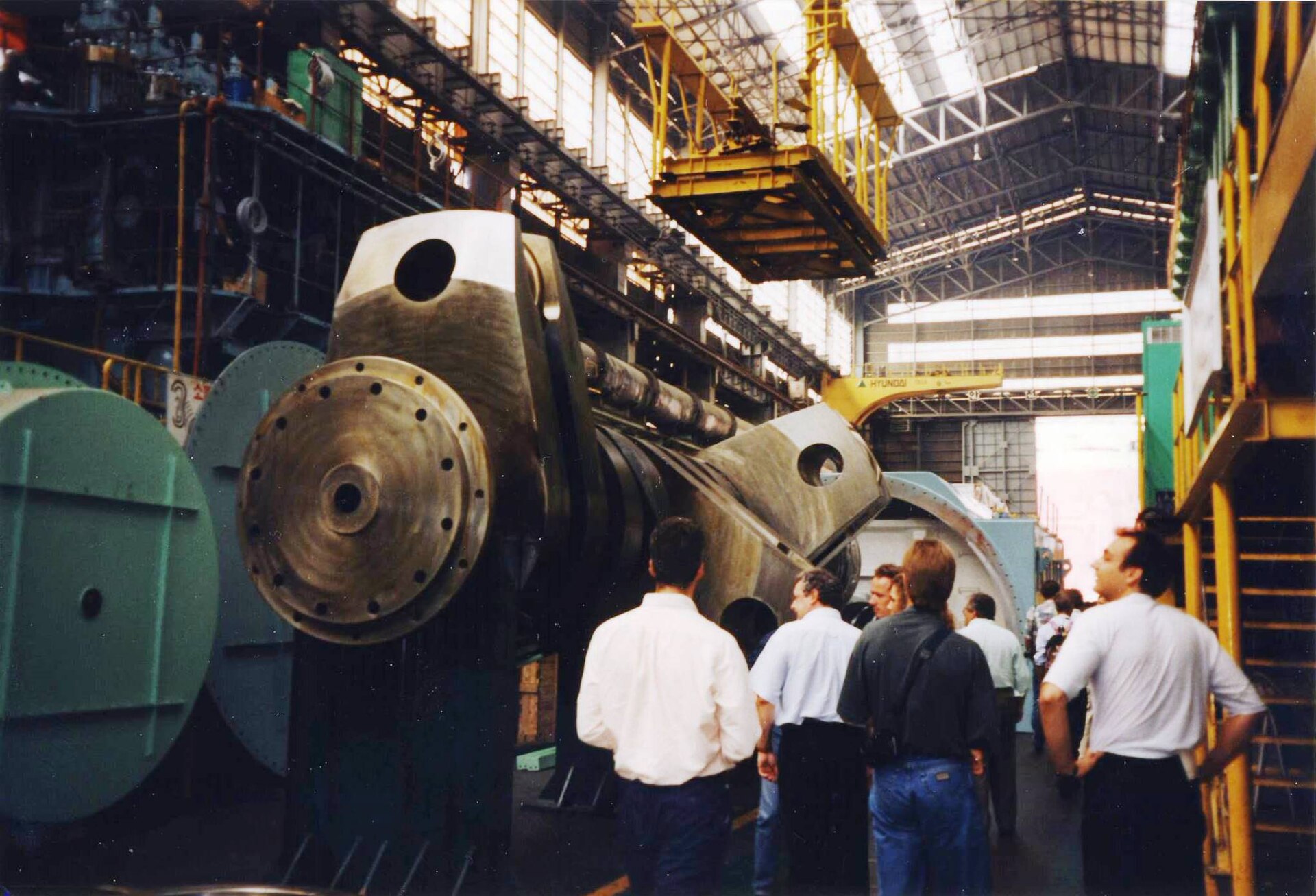
Crankshaft deflection is the change in distance between crank webs measured at different angles; it shows shaft line alignment. Main and crankpin bearing clearances are also measured and recorded. Deviations are an early sign of bearing wear or misalignment.
Records and reporting
A good overhaul report includes:
- Readings before dismantling and after assembly
- Liner calibration table
- Deflection readings
- List of renewed parts
- Torque and hydraulic tensioning values used in assembly
- Temperatures and pressures during the test run
Frequently asked questions
Can an overhaul be done during a voyage call?
Some cylinder unit work can be done in port or at anchor. Larger scopes need the engine stopped long enough, so a yard or dry-dock period is preferred.
How often should deflection be measured?
The interval is set in the maker's programme. It is also common to measure after dry-docking, after bearing work and whenever misalignment is suspected.