Why are generators critical?
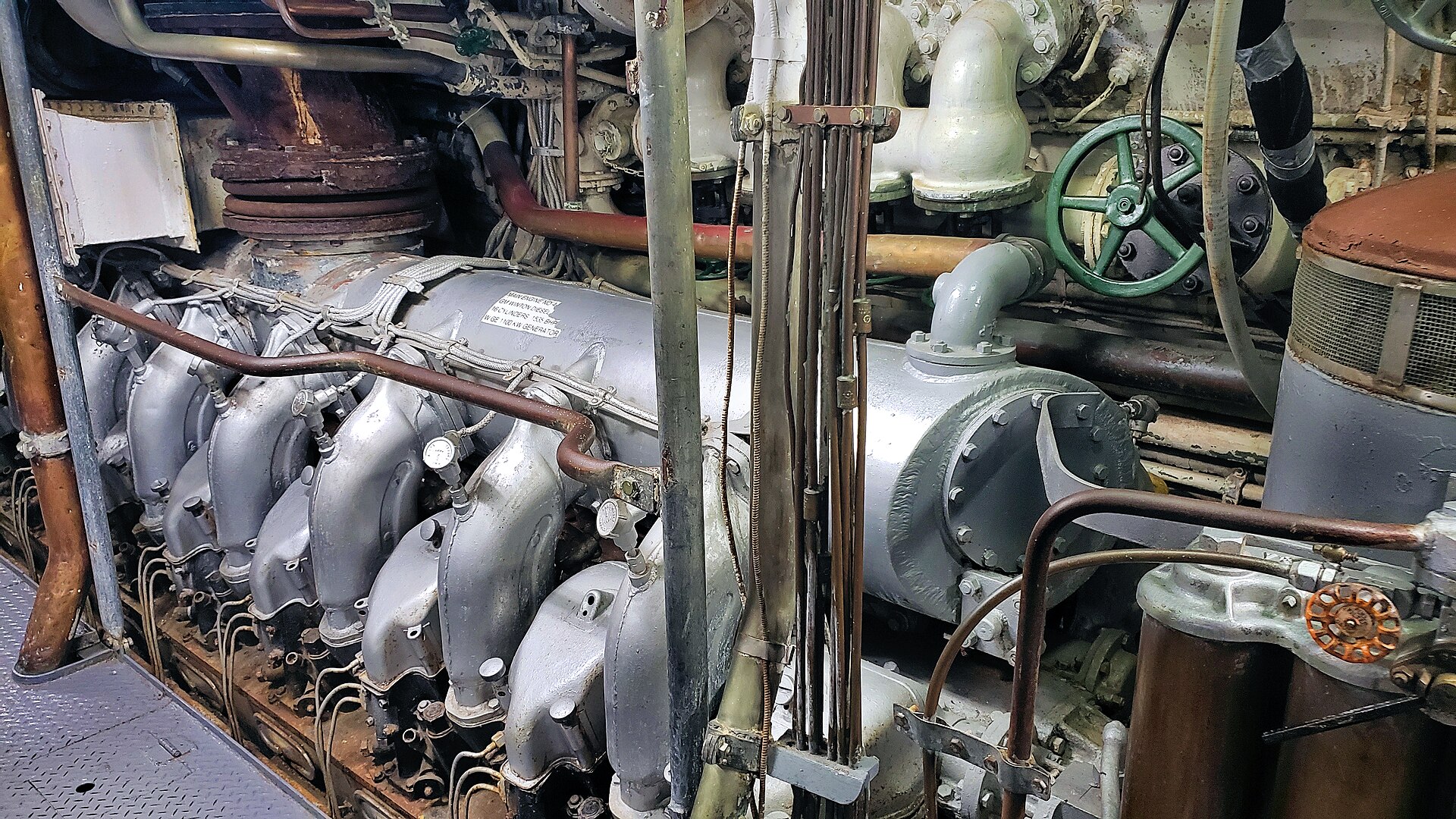
Diesel generators supply the ship's power and must run without interruption for navigation, port operations, cargo handling and safety systems. Losing one generator loads the others more heavily and raises the risk of another failure.
Running-hour checks
Typical checks in the maker's maintenance programme include:
- Lube oil and filter changes, oil analysis
- Fuel injector testing and adjustment
- Valve clearance checks
- Overhaul of cylinder heads, valves and valve seats
- Bearing clearance measurement
- Inspection of the cooling water system and heat exchangers
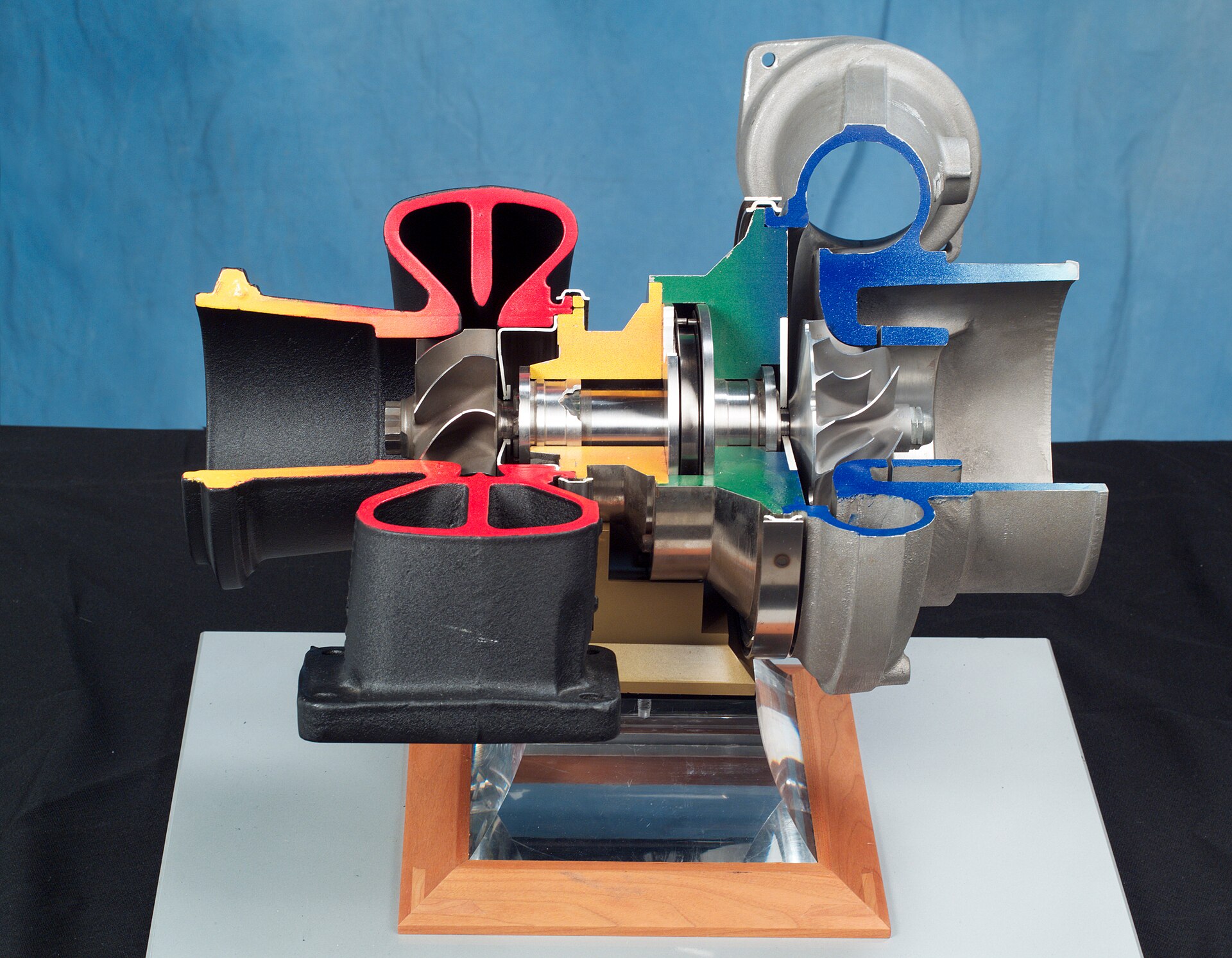
- Cleaning of the turbocharger and charge air cooler
Common fault symptoms
A widening exhaust temperature spread between cylinders, rising oil consumption, increasing crankcase pressure, hard starting and frequency fluctuation under load all point to maintenance needs. Tracked in the logs, they can be dealt with before a fault grows.
Load test after overhaul
After an overhaul, the generator is loaded in steps and exhaust temperatures, pressures and electrical values are recorded at each step. The test shows that the work was done correctly and that the generator can carry full load safely.
Frequently asked questions
Can generator maintenance be done at sea?
If the ship has more than one generator, one can be taken down while the others carry the load. Planning follows the vessel's power demand.
Why does oil analysis matter?
Metal particles, fuel or water in the oil show what is happening inside the engine without dismantling it, and help time the maintenance.