Why take a leak seriously?
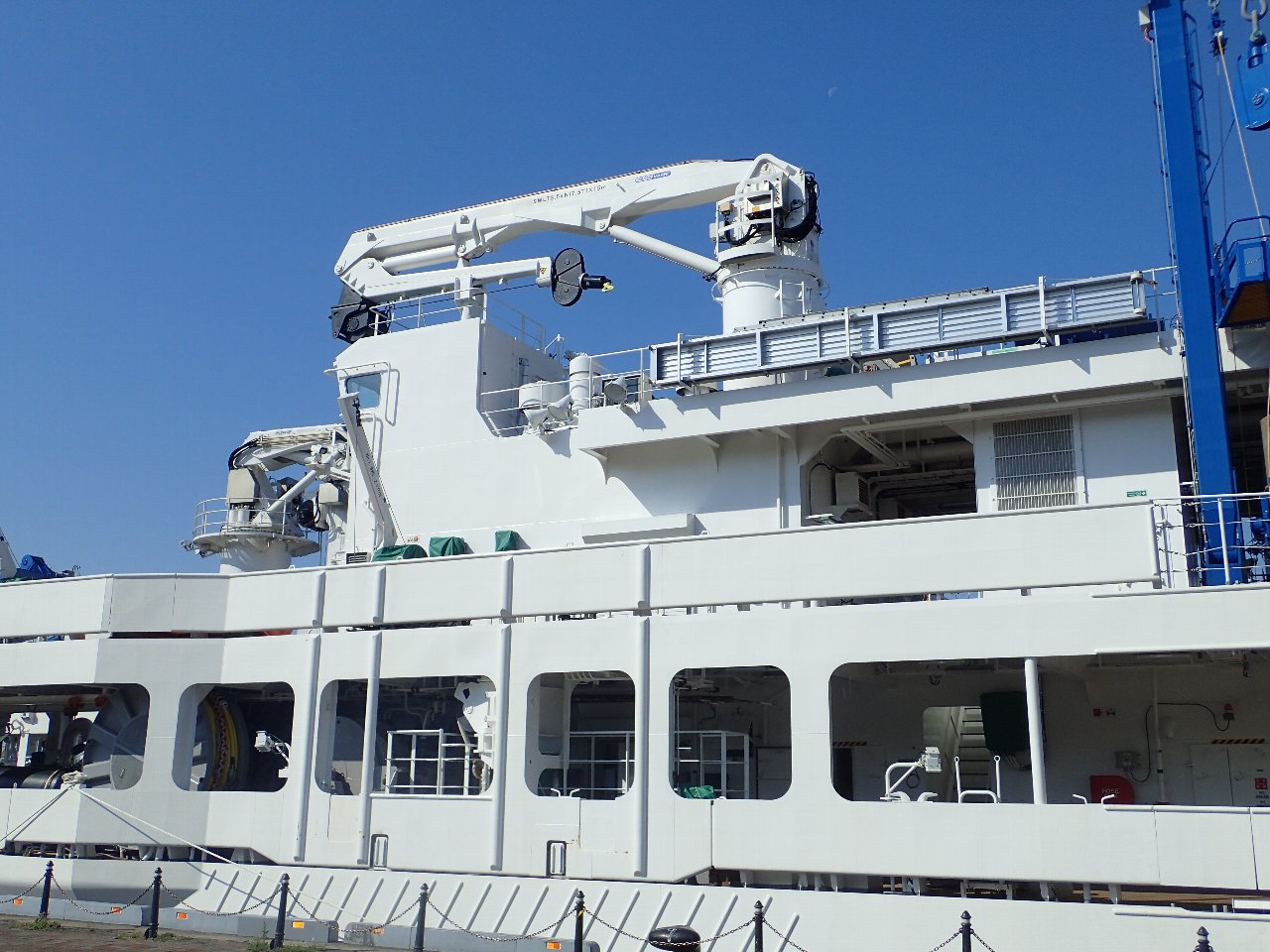
Hatch covers, ramps, cranes and steering gear on board run on hydraulic cylinders. Even a small external leak means oil loss, pollution and falling system pressure. An internal leak lets the cylinder creep under load and lose its position.
Main causes
- Seals hardening or wearing over time, or the wrong seal material
- Scoring or dents on the rod, or peeling and corroded chrome
- Misalignment causing one-sided wear on the rod and bushes
- Contaminated oil, with particles wearing seals and surfaces
- Excessive pressure or temperature
How is it repaired?
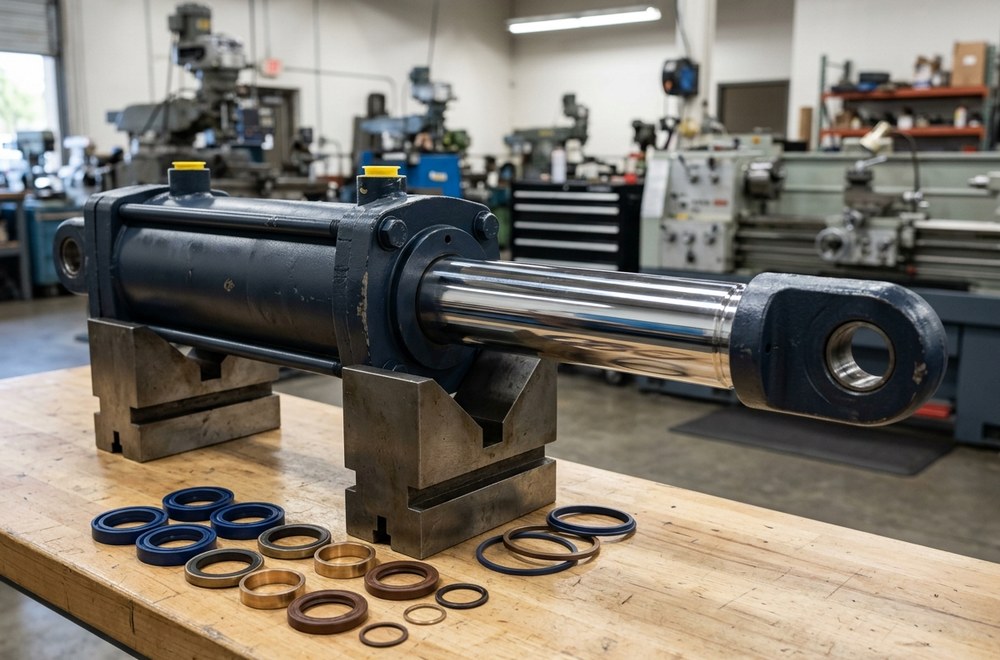
A typical cylinder repair involves:
- Removing and cleaning the cylinder
- Measuring rod straightness, the chrome surface and the barrel bore
- Grinding and re-chroming the rod and honing the barrel if needed
- Selecting and fitting the right seal kit
- Assembly and a leak test under pressure
Preventive maintenance
Keeping the oil clean, changing filters on time, protecting exposed rods and inspecting rod surfaces regularly greatly reduce the risk of leaks.
Frequently asked questions
Is a seal change alone enough?
Yes, if the rod and barrel surfaces are sound. If there is scoring or chrome damage, new seals will fail quickly; the surface must be repaired first.
How do you spot an internal leak?
Suspect one if the cylinder slowly loses position under load or moves more slowly. A pressure test confirms it.