Why does deck machinery need regular maintenance?
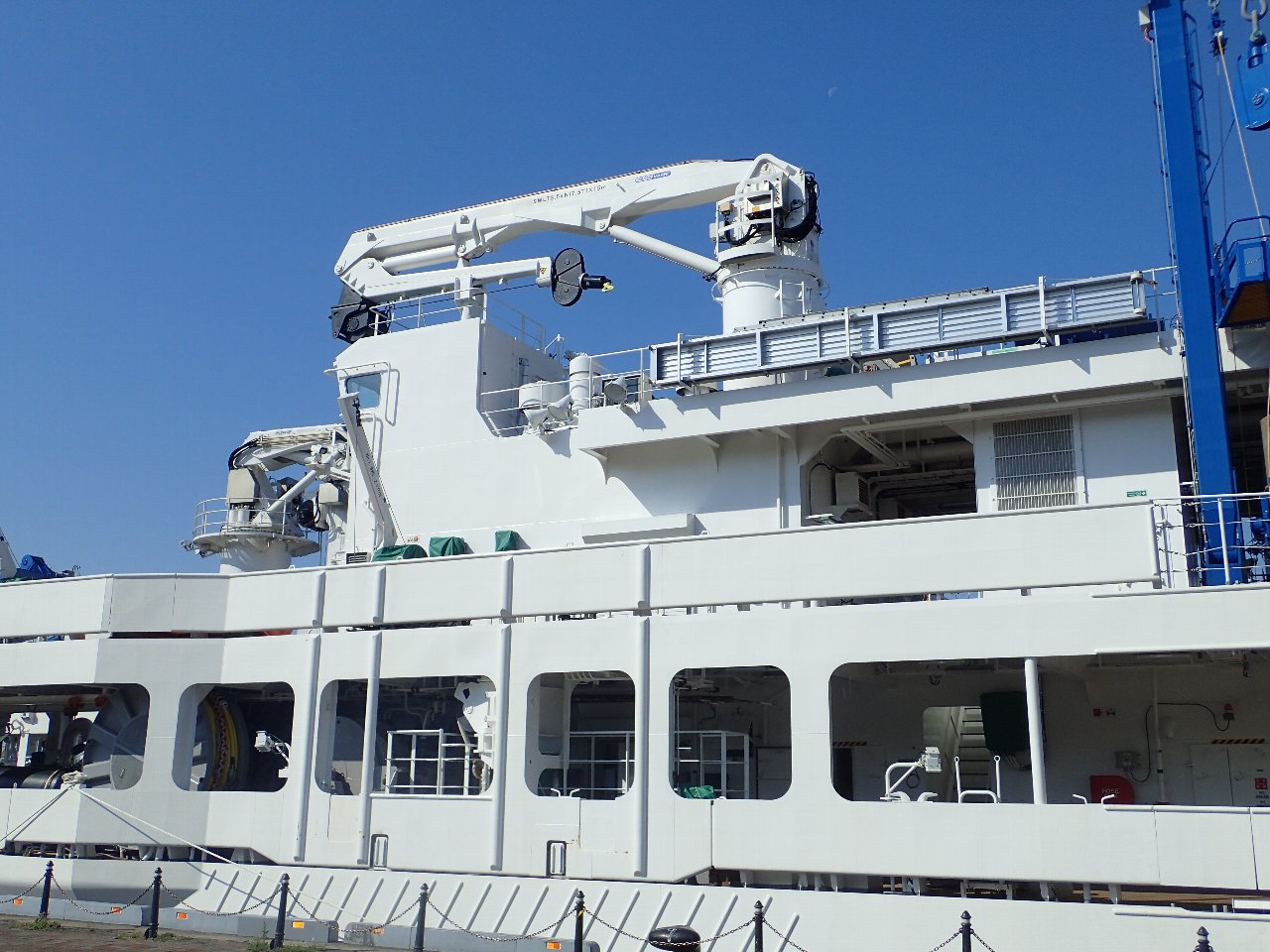
Cranes, mooring winches and windlasses work in salt water, rain and changing loads. Corrosion, poor lubrication and brake wear are the most common problems. A failure directly holds up cargo operations or mooring in port.
Brake system
Mooring winch and windlass brakes are checked regularly for lining thickness, drum surface and brake adjustment. Worn linings reduce holding capacity, so linings near their wear limit should be renewed in time. Testing brake holding capacity periodically is common practice.
Gearbox and lubrication
Gearbox oil level and condition are checked; water or metal particles in the oil indicate internal wear. Gear tooth wear and backlash are measured, and bearings and seals are inspected.
Hydraulic motor and circuit
On hydraulically driven winches, the motor, pump, valves and hoses are inspected. Loss of speed, overheating and more noise can point to internal leakage in the motor. Clean oil and filter maintenance directly affect the life of the circuit.
Testing after repair
After repair or overhaul the equipment is function-tested. Load tests on lifting appliances follow the rules of the classification society and the flag state, and are recorded.
Frequently asked questions
When should brake linings be renewed?
When lining thickness approaches the maker's wear limit, or when a brake test shows insufficient holding.
Whose rules govern crane load tests?
Load tests follow the rules of the ship's classification society and flag state, and the results are recorded.