Why does a turbocharger need regular overhaul?
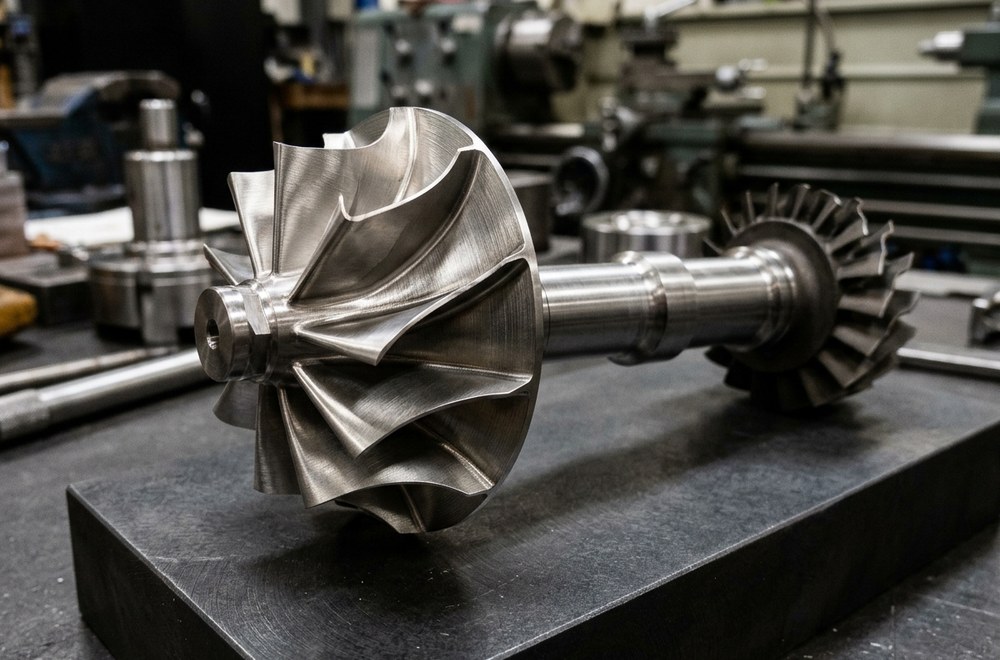
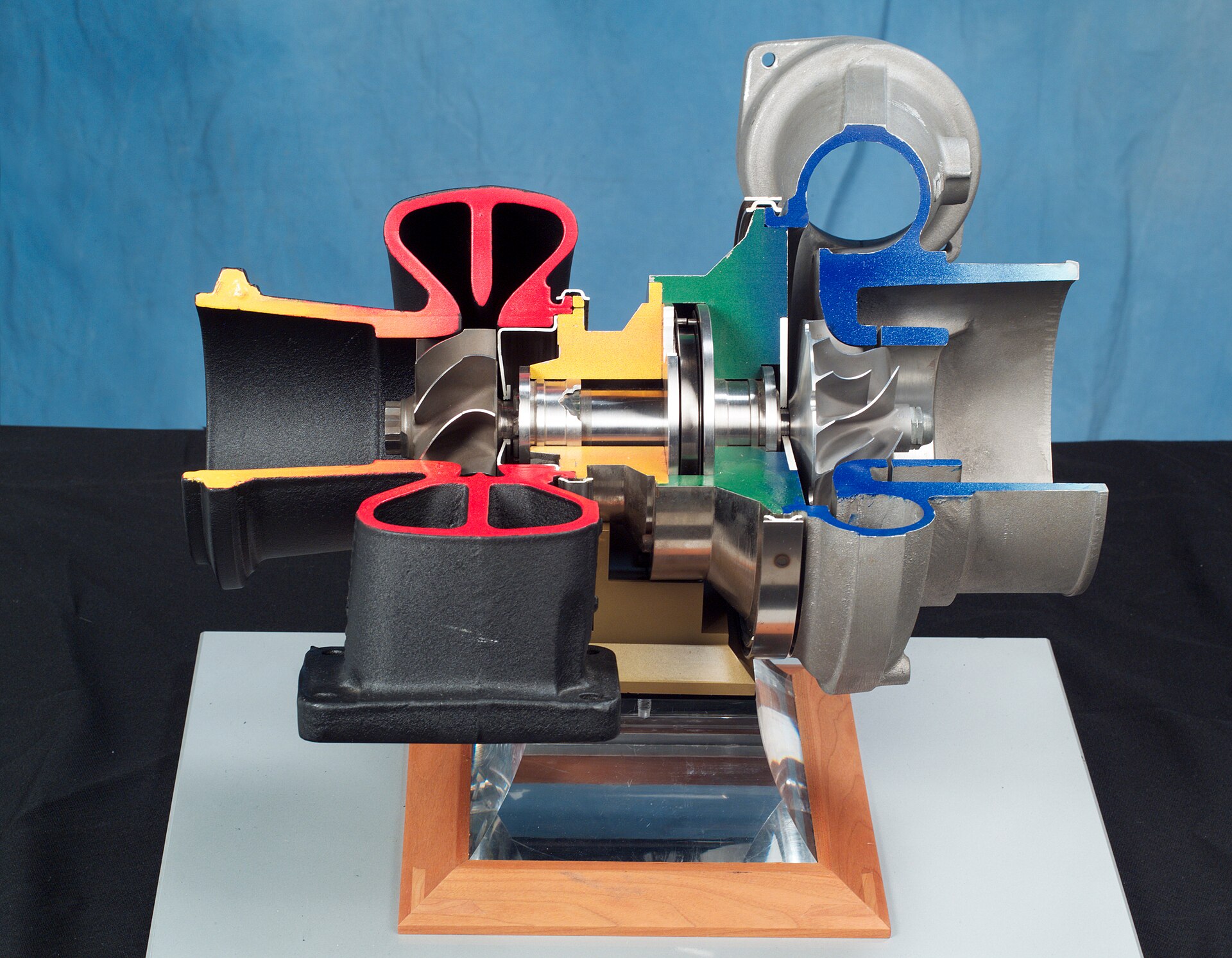
A turbocharger uses exhaust gas energy to spin the turbine and, on the same shaft, the compressor wheel that feeds pressurised air to the engine. Because the rotor runs at very high speed, minor bearing wear, fouling on the wheels or a small loss of balance can quickly turn into serious damage.
A planned overhaul means inspecting and measuring the bearings, seals, nozzle ring and rotor, renewing parts where needed and rebalancing the rotor. The aim is to act before a failure.
Symptoms that point to an overhaul
If you see one or more of the following, the turbocharger should be inspected:
- Exhaust gas temperatures running higher than usual at the same load
- Falling scavenge (charge) air pressure, the engine struggling to take load
- Fluctuating or dropping turbocharger speed
- Increased vibration or unusual noise (whistling, rubbing)
- Oil leaks on the compressor or turbine side, oily smoke in the exhaust
- Surging: bang-like noises from the compressor side
How are maintenance intervals set?
Intervals depend on the turbocharger model, the bearing type (plain or rolling), fuel quality and the operating profile. The reference is the maker's maintenance manual, which lists inspection and overhaul steps against running hours.
Rolling-bearing types require bearing renewal at set running hours. On plain-bearing types, the measured clearances and the condition of the bearing surfaces decide. Logging exhaust temperatures, scavenge air pressure and turbocharger speed regularly makes deviations visible early.
What does an overhaul involve?
A typical turbocharger overhaul covers:
- Dismantling and chemical or ultrasonic cleaning
- Crack inspection of turbine blades and the compressor wheel (non-destructive methods such as dye penetrant)
- Dimensional checks of shaft, bearings and bushes; axial and radial clearances
- Inspection of the nozzle ring and diffuser
- Dynamic balancing of the rotor
- Assembly, final clearance checks and a measurement report
Why early action matters
Once bearing damage progresses, the rotor can rub the casing, blades can break and debris can reach the engine. Checking at the first symptoms means shorter downtime and lower cost.
Frequently asked questions
Can a turbocharger be overhauled on board?
Dismantling, cartridge replacement and some checks can be done on board. Crack inspection, precision measurement and dynamic balancing usually need a workshop.
If exhaust temperature rises, is the turbocharger always the cause?
No. The fuel system, injectors, air filters or the charge air cooler also affect exhaust temperature. A correct diagnosis looks at the engine parameters together.
Which records should be handed over after an overhaul?
Clearance readings before dismantling and after assembly, the list of renewed parts and the balancing results should all be in the report.