What is dynamic balancing?
When the mass of a rotating part is not evenly distributed around its axis, it produces centrifugal force and vibrates as it turns. Dynamic balancing spins the rotor on a balancing machine to measure where and how much imbalance there is, then corrects it by adding or removing material.
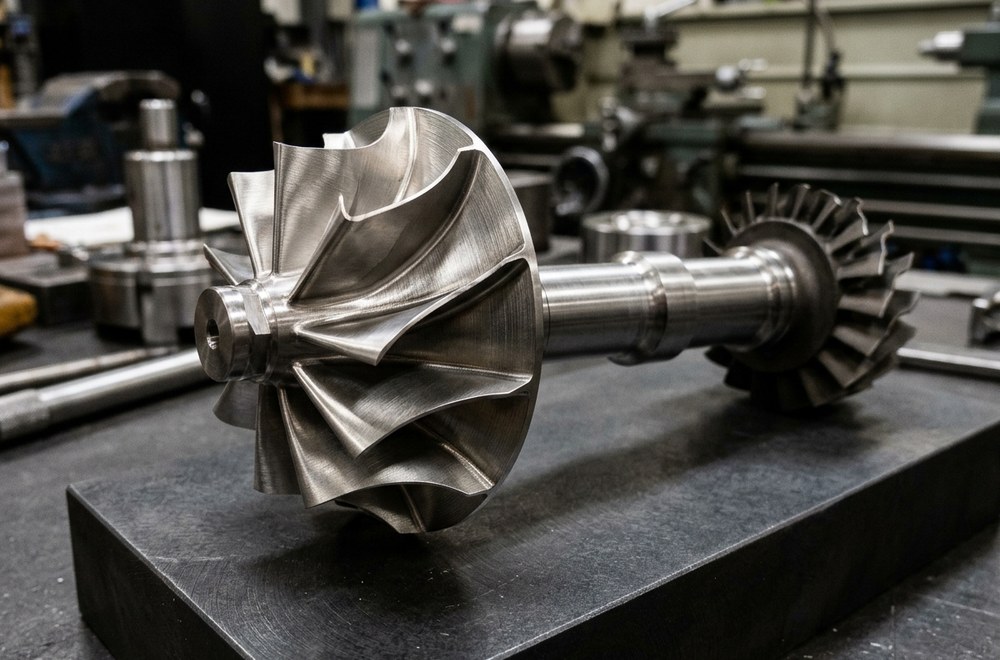
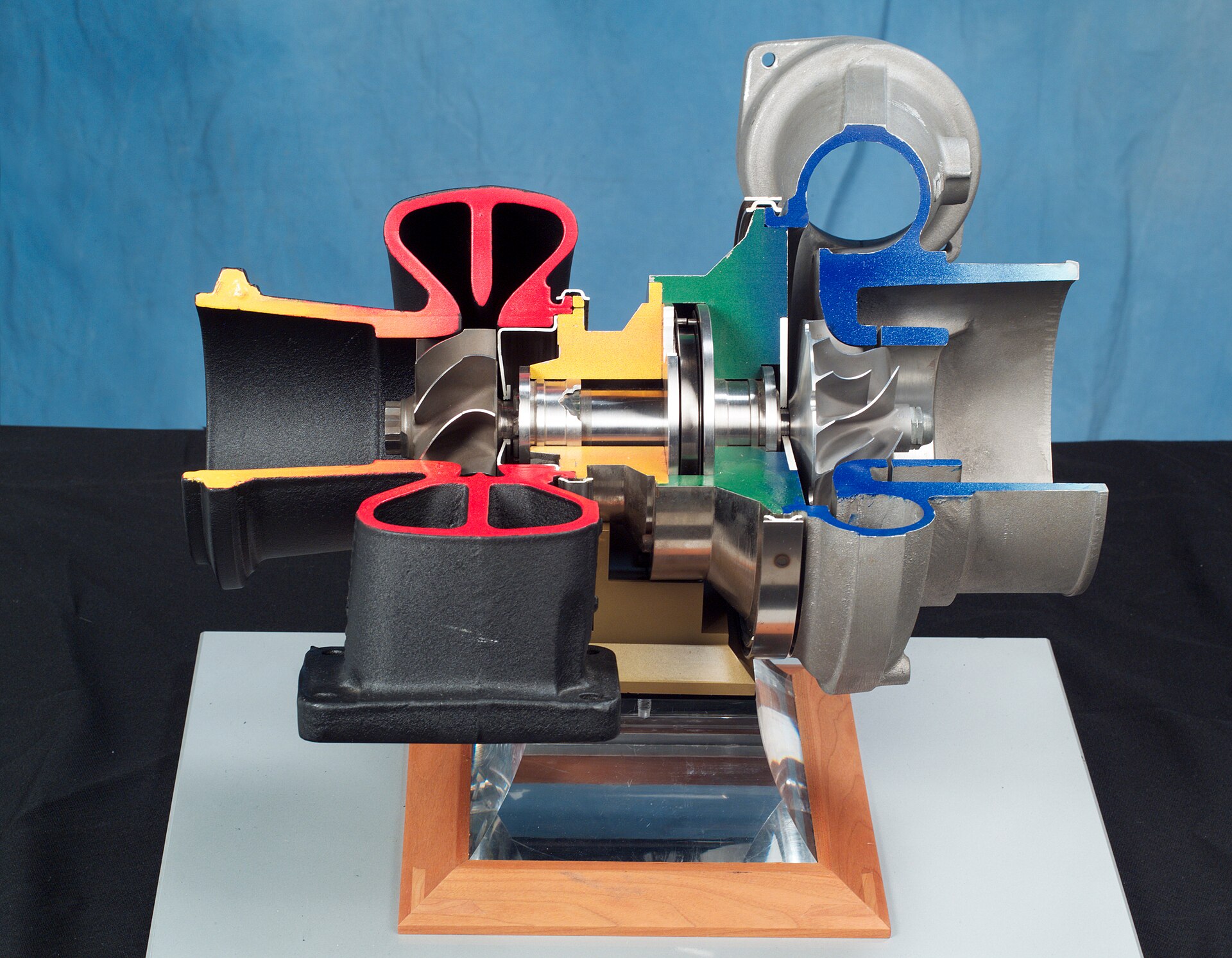
Turbocharger rotors run at very high speed, so even a small imbalance creates large forces. Balancing in two planes (compressor side and turbine side) is common practice.
When is balancing needed?
Rotor balance can be lost, or should be rechecked, when:
- The compressor wheel or turbine blades have been cleaned or repaired
- Blades show wear, erosion or foreign object damage
- Any rotor component has been replaced
- Vibration has increased in service
- Fouling and deposits have built up unevenly
What does an unbalanced rotor cause?
Imbalance puts a constant impact load on the bearings. They wear quickly, seals are damaged and oil leaks start. As it progresses, the rotor can rub the casing, blade tips can be damaged and the turbocharger can fail completely.
How is the result documented?
Imbalance readings before and after balancing are recorded and compared with the maker's permitted limits. These records go to the ship manager as part of the overhaul report.
Frequently asked questions
Can balancing be done on board?
Rotor balancing needs a balancing machine, so it is done in a workshop. On board, vibration readings can point to a suspected imbalance.
Should a rotor that was only cleaned be rebalanced?
Cleaning can change the balance when deposits come off unevenly, so a balance check after cleaning is recommended.